
Dental Trauma Management
 Dental trauma can happen in an instant, and when it does, it can be frightening, painful, and confusing. At Advanced Root Canal Specialists, our endodontists have advanced training in dental trauma management and see these injuries regularly. If you've experienced dental trauma, don't wait. Call us right away.
When Tooth Damage Isn't What It Appears
Dental trauma is any injury to a tooth caused by a physical impact, whether it’s due to sports, an auto accident, or a fall. Sometimes the damage is obvious, such as a tooth that's cracked, chipped, loosened, or missing entirely. Other times, the tooth looks fine, but the soft tissue inside, called pulp, has been compromised.
Our endodontists are trained specifically to evaluate what's happening inside and outside the tooth. We won't recommend treatment until we’re sure you know exactly what the trauma involves and what your options are.
Dental Trauma We Treat
At ARCS, we diagnose and treat the full range of traumatic dental injuries, including:
- Cracked or fractured teeth — Cracks range from minor surface fractures to splits that extend into the root. The location and depth of the crack determine the best path forward, which may include root canal treatment, a crown, or, in some cases, extraction.
- Loosened or partially dislodged teeth — A tooth that has been pushed inward, pulled outward, or shifted sideways needs prompt evaluation. Treatment focuses on stabilizing the tooth and determining whether the pulp has been affected.
- Knocked-out teeth — A completely displaced tooth is a highly time-sensitive emergency. The sooner you contact us and get to our office, the better the chances of saving the tooth. How you handle the tooth before you arrive also matters. Call us immediately, and we'll guide you.
Diagnosing and Treating Dental Trauma
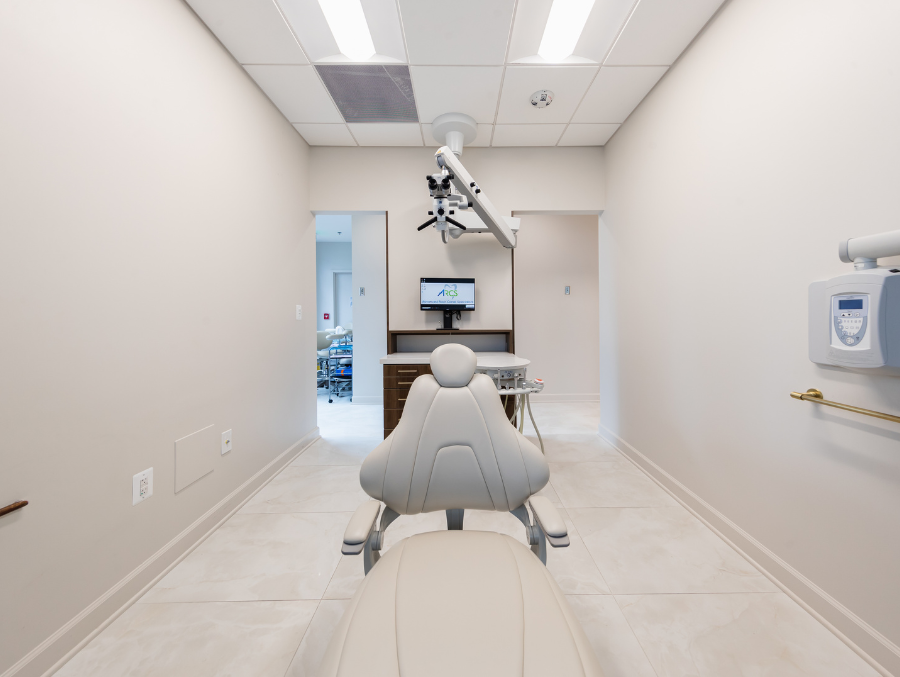 Our specialists begin their evaluation with a thorough diagnostic workup using advanced technology, such as CBCT cone beam imaging and surgical microscopes. Next, we discuss what we found and what we recommend.
Some injuries require immediate treatment; others require monitoring over several visits to see how the tooth responds. Either way, you'll leave our office with a clear understanding of your situation and a plan for the next steps.
Call Us Now for Peace of Mind
If you or someone you love has experienced a dental injury, call our endodontists at (410) 772-9600. Prompt treatment is crucial, so we always reserve openings in our schedule for patients with dental trauma or other serious concerns.
We believe in full transparency when it comes to costs, so we will provide detailed insurance breakdowns and estimated out-of-pocket costs ahead of time whenever possible.
Advanced Root Canal Specialists welcomes patients from all over Maryland, including Ellicott City, Columbia, Baltimore, Rockville, Laurel, and beyond.
Benefits of Dental Trauma Management at ARCS
Specialist-Level Diagnosis
Advanced Imaging Technology
Same-Day Care When It Matters
Frequently Asked Questions
A knocked-out permanent tooth is a dental emergency. The first steps you take can affect the chance of saving the tooth.
If possible:
- Pick up the tooth by the crown, not the root
- Do not scrub the tooth or remove tissue from the root
- Gently rinse it if needed
- Try placing it back into the socket without forcing it
- If that is not possible, keep it moist in milk or inside your cheek
Contact an endodontist immediately. The sooner the tooth is evaluated, the better the chance of successful treatment.
Some injured teeth heal without treatment, while others develop problems later. The outcome depends on the type of injury, the extent of damage, and how the tooth responds over time.
Even when a tooth appears normal after an injury, the pulp inside the tooth may have been affected. Regular monitoring and appropriate testing help determine whether additional treatment is needed.
Not always. A traumatized tooth does not automatically require root canal treatment.
The need for treatment depends on factors such as:
- The type and severity of the injury
- Whether the pulp remains healthy
- Symptoms and testing results
- Changes seen on imaging
At ARCS, we carefully evaluate the tooth before recommending treatment. Our goal is always to provide the right treatment at the right time.
Yes. Trauma can sometimes damage the blood supply to the pulp, causing the tooth to lose vitality over time.
This process may happen immediately or develop gradually. A tooth that becomes darker, develops sensitivity, causes pain, or shows changes on dental imaging should be evaluated by an endodontist.
You should contact an endodontist as soon as possible after a significant dental injury, especially if the tooth is knocked out, displaced, fractured, or painful.
Early evaluation allows your doctor to identify problems that may not be visible and provide treatment recommendations that give the tooth the best possible chance.
Our Team
-

The Team Behind Your Care
Read MoreAt Advanced Root Canal Specialists, we believe exceptional endodontic care goes beyond technical treatment. It’s about how patients feel, how clearly we communicate, and how consistently we show up for both our patients and referring doctors.
We are equally committed to fostering a positive, supportive culture within our team because we believe the best patient experiences are created by people who feel valued, aligned, and take pride in the care they provide. Our purpose, mission, and values guide every interaction and reflect our commitment to delivering care that is precise, …
Dental Trauma Management Technology
Nitrous Oxide (Laughing Gas)
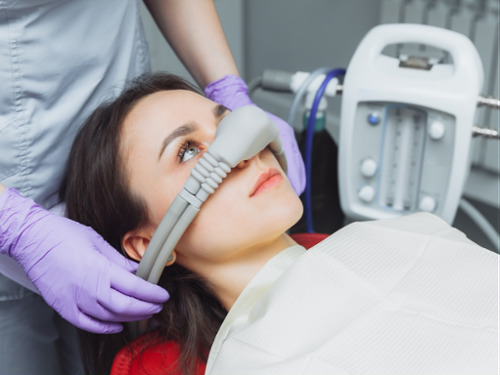
Nitrous oxide, commonly known as laughing gas, is a safe, mild sedative inhaled through a small breathing mask during your procedure. It produces a calm, relaxed feeling while keeping you fully conscious and able to communicate with our team. After your procedure, we switch the inhalant to pure oxygen to allow the effects to wear off quickly. Most patients can drive themselves home afterward. Nitrous oxide is a simple, effective option for patients who want to take the edge off without deeper sedation.