
Root Canal Retreatment
 Root canal treatment is typically a highly successful procedure. However, teeth are complex, and healing isn't always predictable. Even months or years later, a root-canal-treated tooth may become painful or show signs of infection.
At Advanced Root Canal Specialists, we understand it can be confusing and unsettling to hear you may need retreatment. You can have peace of mind knowing that our team is here to support you, and retreatment is exactly the kind of case our skilled endodontists are trained for.
Why Would Root Canal Treatment Fail?
A root canal-treated tooth can become inflamed or infected again for several reasons:
- New decay reaches the inner part of the tooth.
- A crown or filling breaks down over time, allowing bacteria to enter the pulp area.
- A canal that was difficult to detect during the original procedure went untreated.
The need for retreatment doesn’t automatically mean something went wrong with the initial procedure. Often, it’s just the reality of treating a complex structure inside a living tooth.
What Root Canal Retreatment Involves
First, our specialists perform a thorough evaluation using advanced imaging to understand what's happening inside the tooth. We'll share the images with you to show you what we find and what we recommend based on your unique situation.
If retreatment is the right path, we will take the following steps:
- Remove the existing filling material — We carefully access the tooth and remove the material placed during the original procedure
- Clean and reshape the canals — We re-examine and thoroughly clean the canal system, looking for any previously missed canals or areas of concern.
- Disinfect and reseal the tooth — Once cleaned, the canals are disinfected and sealed with a biocompatible material
- Place a temporary restoration — We protect the treated tooth with a temporary restoration, then you'll return to your general dentist for a final crown or filling.
Sedation is available if you’d like a more relaxing experience. Most retreatment appointments can be completed in one or two visits, depending on the complexity of the case.
When Retreatment Alone Isn't Enough
Sometimes, retreatment alone may not resolve the problem. If infection persists near the root tip, we may recommend a minor surgical procedure called an apicoectomy. Our endodontists will discuss whether that's a consideration before you commit to any treatment plan.
Do You Need Root Canal Retreatment?
If you’ve had root canal treatment and the treated tooth becomes painful, sensitive, or swollen, don't ignore it. Call Advanced Root Canal Specialists at (410) 772-9600. We offer early morning and evening hours Monday through Friday and keep same-day appointments available for dental emergencies.
We believe in full transparency when it comes to costs, so we will provide detailed insurance breakdowns and estimated out-of-pocket costs ahead of time whenever possible.
Advanced Root Canal Specialists welcomes patients from all over Maryland, including Ellicott City, Columbia, Baltimore, Rockville, Laurel, and beyond.
Benefits of Root Canal Retreatment at ARCS
Complex Cases Done Right
Diagnosis Before Treatment
Saving Your Natural Tooth
Frequently Asked Questions
A root canal-treated tooth can remain healthy for many years, but sometimes problems can develop later. Signs that a previously treated tooth may need evaluation include returning pain, tenderness when biting, swelling, a pimple-like bump on the gum, drainage, or changes around the tooth seen on an X-ray.
However, symptoms alone do not always tell the complete story. A thorough evaluation by an endodontist can determine whether the tooth needs retreatment, monitoring, or another approach.
A tooth requiring retreatment does not necessarily mean the original treatment was unsuccessful. Teeth have complex anatomy, and sometimes bacteria can persist in areas that are difficult to identify or access.
A second root canal, also called root canal retreatment, may be needed when a previously treated tooth does not heal as expected or develops a new infection.
Possible reasons include:
- A previously untreated canal
- New decay reaching the root canal system
- A leaking or damaged crown or filling
- Persistent bacteria inside the tooth
Retreatment involves carefully reopening the tooth, removing the previous filling material, cleaning the canal system again, and resealing the tooth.
Our goal is to address the source of the problem while preserving your natural tooth whenever possible.
Yes. Although root canal treatment is designed to last many years, a tooth can sometimes develop new problems long after the original procedure.
Over time, new decay, breakdown of a filling or crown, or changes within the tooth can allow bacteria to re-enter the root canal system. In other cases, complex anatomy may mean that an area of infection was difficult to detect or treat initially.
If symptoms return years later, an evaluation can determine whether retreatment, surgery, or another option is the best approach.
Root canal retreatment is performed using local anesthesia to ensure the tooth and surrounding tissues are comfortable during treatment. Most patients are surprised by how comfortable the procedure is.
Some soreness or sensitivity afterward is normal as the tooth begins the healing process. The amount of discomfort often depends on the amount of inflammation or infection present before treatment.
For patients who feel anxious, we offer nitrous oxide (laughing gas) and oral sedation options to help create a more comfortable experience
The length of retreatment depends on the complexity of the tooth and the condition of the previous root canal treatment.
Most retreatment cases can be completed in one treatment appointment, although some teeth may require additional time or another visit to complete treatment thoroughly. Most treatment appointments last about 90 minutes.
Before treatment begins, we will explain what we expect based on your specific tooth and provide a clear plan for care.
Our Team
-

The Team Behind Your Care
Read MoreAt Advanced Root Canal Specialists, we believe exceptional endodontic care goes beyond technical treatment. It’s about how patients feel, how clearly we communicate, and how consistently we show up for both our patients and referring doctors.
We are equally committed to fostering a positive, supportive culture within our team because we believe the best patient experiences are created by people who feel valued, aligned, and take pride in the care they provide. Our purpose, mission, and values guide every interaction and reflect our commitment to delivering care that is precise, …
Root Canal Retreatment Technology
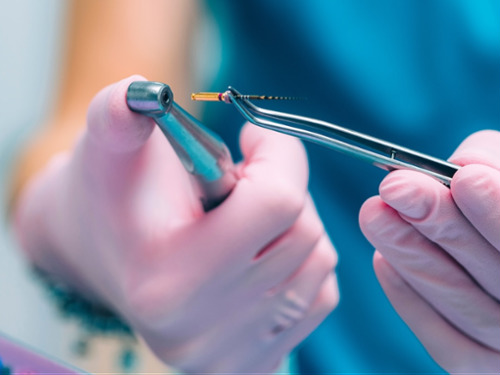
Rotary Endodontics
Rotary endodontic instruments are small, flexible, electrically driven tools used to clean and shape the root canals during treatment. Compared to manual instruments, procedures using rotary endodontics are faster, more precise, allowing us to better able to navigate the complex curves and branches of a tooth's root system.
For patients, that means a more efficient procedure, more thorough cleaning, and a more comfortable overall experience.