
Resorption Treatment
Resorption is a process where the body's own cells begin breaking down a tooth’s structure. This process happens naturally when children lose their baby teeth, but if it occurs in permanent teeth, it's a problem.
At Advanced Root Canal Specialists, our endodontists have the training and technology to precisely and effectively diagnose and treat resorption. If your dentist has referred you to us, you're already in the right hands.
Resorption Symptoms to Watch For
Resorption doesn't always cause symptoms in its early stages, which is why it's often found on an x-ray during a routine dental visit. When symptoms do appear, they may include:
 A pinkish tint or spots on the tooth
- Cavity-like holes at or near the gumline
- Red or swollen gums
- Pain that radiates from inside the tooth
- Teeth that feel loose, weak, or have shifted position
If you experience any of these, contact your dentist or call us directly.
Why Prompt Resorption Treatment Matters
Resorption is progressive, meaning it worsens as time goes by. Without prompt treatment, more tooth structure is lost, and fewer options remain. Caught early, the tooth can often be saved; caught late, extraction may be the only choice.
What Resorption Treatment Involves
At ARCS, we begin with a thorough evaluation using our advanced imaging technology. The treatment we recommend depends on the type of resorption and where it's located. It may involve root canal treatment, minor gum surgery, or a combination of both.
The goal of treatment is to remove the affected structure and restore the tooth to normal function. Depending on the type and location of resorption, treatment may include:
- Root canal treatment to address internal resorption
- Minor gum surgery to access and treat external resorption
- A combination of both in more complex cases
In cases where resorption is extensive, our endodontists will be straightforward with you about whether saving the tooth is realistic. If extraction is necessary, we'll discuss replacement options and next steps.
Do You Need Resorption Treatment?
If your dentist has identified resorption or you're experiencing any of the symptoms above, call Advanced Root Canal Specialists at (410) 772-9600. We’re here five days a week, with early morning and evening hours, and offer same-day appointments for dental emergencies.
We serve patients from all over Maryland, including Ellicott City, Columbia, Baltimore, Rockville, Laurel, and beyond.
Benefits of Resorption Treatment at ARCS
Caught Early, Treated Effectively
Specialist Care for a Complex Condition
Tooth Preservation Is Our First Priority
Frequently Asked Questions
Tooth resorption can be triggered by several factors, including dental trauma, infection, and orthodontic treatment. In many situations, it develops without a clear reason, which is why early detection is important.
Can You Prevent Tooth Resorption?
Not always. Some causes of resorption, such as trauma, infection, or the body's response to orthodontic treatment, are difficult or impossible to prevent entirely. But there are steps you can take to reduce your risk and catch the condition early if it does develop.
Reducing the Risk of Tooth Resorption
While resorption can't always be prevented, certain habits and precautions can help protect your teeth:
- Protect your teeth from injury — Wear a mouthguard during contact sports or any activity where dental trauma is a risk. Trauma is one of the most common triggers for resorption in permanent teeth.
- Address infections promptly — Untreated dental infections can contribute to resorption. Getting timely care when a problem develops reduces that risk.
- Communicate with your orthodontist — Orthodontic treatment is a known contributing factor in some cases of resorption. Regular monitoring during treatment can help detect early signs.
- Avoid habits that stress the teeth — Grinding or clenching can put excessive force on teeth over time. If you grind at night, talk to your dentist about a protective nightguard.
Why Early Detection Matters Most
Resorption often develops without any symptoms in its early stages. By the time pain or visible changes appear, the condition may already be advanced.
If your dentist identifies resorption during a routine exam, they may refer you to an endodontist for a more detailed evaluation. Advanced Root Canal Specialists welcomes referrals and self-referrals for resorption evaluation. Call us at (410) 772-9600.
We welcome patients from all over Maryland, including Columbia, Baltimore, Rockville, Laurel, and beyond.
Tooth resorption does not always cause symptoms, especially in its early stages. Many cases are discovered during routine dental X-rays.
When symptoms occur, they may include:
- Pink discoloration or a pink spot on the tooth
- Sensitivity or pain
- Swollen or irritated gums near the tooth
- A cavity-like area near the gumline
- A tooth that feels loose or changes position
If you notice any unusual changes in a tooth, an evaluation by an endodontist can help determine the cause and whether treatment is needed.
In many cases, treatment can stop or manage the progression of resorption, but the appropriate approach depends on the type, location, and extent of the condition.
The goal of treatment is to remove or address the affected area and preserve the remaining healthy tooth structure whenever possible.
Early diagnosis generally provides more treatment options. Once significant tooth structure has been lost, treatment becomes more challenging, and extraction may sometimes be necessary.
In many cases, yes. The goal of treatment is to preserve the natural tooth whenever possible.
The ability to save the tooth depends on several factors, including how much tooth structure has been affected, where the resorption is located, and whether the tooth can be predictably restored afterward.
Our specialists will evaluate your individual situation and explain whether saving the tooth is realistic and what treatment options are available.
Tooth resorption is usually not an emergency that requires same-day treatment, but it should not be ignored. Because resorption can progress over time and reduce treatment options, timely evaluation is important.
If your dentist identifies possible resorption on an X-ray, an evaluation with an endodontist can help determine the extent of the condition and the best next step.
Our Team
-

The Team Behind Your Care
Read MoreAt Advanced Root Canal Specialists, we believe exceptional endodontic care goes beyond technical treatment. It’s about how patients feel, how clearly we communicate, and how consistently we show up for both our patients and referring doctors.
We are equally committed to fostering a positive, supportive culture within our team because we believe the best patient experiences are created by people who feel valued, aligned, and take pride in the care they provide. Our purpose, mission, and values guide every interaction and reflect our commitment to delivering care that is precise, …
Resorption Treatment Technology
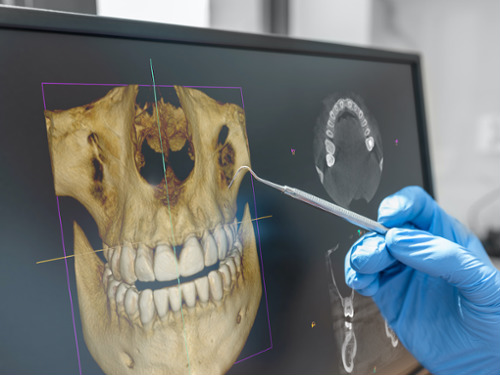
CBCT Cone Beam Technology
Cone beam CT imaging gives our endodontists a three-dimensional view of the tooth, root canals, and surrounding bone—detail that a standard x-ray simply can't provide. This level of precision is especially valuable for complex cases, trauma, resorption, and retreatment, where hidden fractures or missed canals can affect outcomes.
CBCT allows us to diagnose accurately and plan treatment with confidence before we begin.